
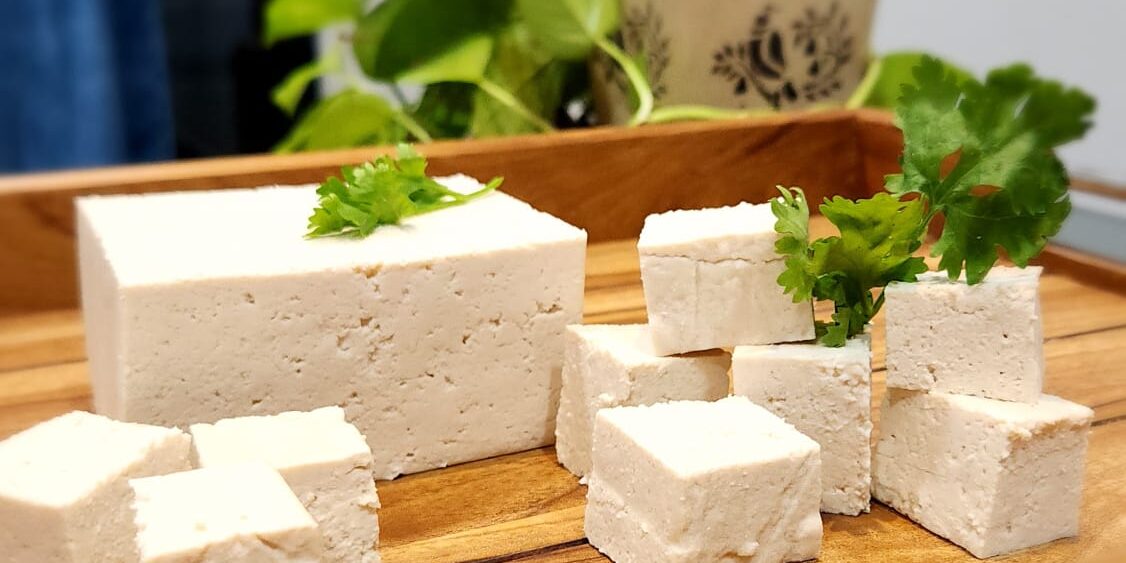
This article explores tofu nutrition, benefits, and precautions. Discover how to get maximum health benefits by using Tofu in a right way.
What is Tofu? Definition and Overview
Manufacturers prepare tofu by soaking soybeans, grinding them with water, sterilizing, filtering to get soymilk, then adding coagulants to form curds. They finally press these curds into blocks of different firmness levels, such as soft, firm, or silken-tofu. However, the process is extremely intricate to achieve the top-notch quality.
 Therefore, at GDM Exports (a food unit of GDM Technics), we use only selected non‑GMO soybeans and controlled process SOP to produce consistent, high‑quality tofu for Indian and global buyers.
We follow strict FSSAI food‑safety standards. Our tofu manufacturing process maintains strict hygiene protocol, traceability and cold‑chain integrity from plant process, packaging, until delivery. Post fulfillment, customers must maintain proper refrigeration and handling.
Moreover, tofu nutrition makes it a versatile plant‑based protein for vegetarian, vegan and flexitarian diets across India.
Tofu nutrition makes it the best substitute for dairy-paneer to ensure holistic health.
Read Documentations (for everyone, especially bulk-buyers):
Please send a mail to harsha@gdmexports.com for tofu handling standard.
Tofu Nutrition - Core Nutrients in Soy Paneer
Our tofu is naturally cholesterol-free and heart-friendly, unlike dairy paneer, which contains saturated fat and cholesterol.
Therefore, tofu offers a nutrient-dense protein option without compromising heart and overall health.
| Nutrient | Per 100g | Importance |
|---|---|---|
| Total Calories | 100 kcal | Low‑calorie, nutrient‑dense super food. |
| Protein | 14 g | High‑quality, natural & complete protein. |
| Total fat | 0.28 g | Low fat, unsaturated (for healthy heart) |
| Carbohydrates | 8.75 g | Nutrients with integrated energy. |
| Total Sugar | 0 g | Guilt free – best for heart, BP, and diabetes patients |
| Dietary Fiber | 2.3 g | Supports digestion. |
| Calcium | 361.8 mg | Great Calcium source along with Mg, K |
| Iron | 4 mg | Contributes to daily iron intake. |
| Magnesium | 32 mg | Supports muscles, nerves, Calcium absorption |
| Potassium | 121 mg | Helps fluid and blood‑pressure balance. |
| Manganese | 1.2 mg | Important for metabolism. |
| Isoflavones | Varies | Antioxidant activity. |
Soy protein in tofu supports muscle maintenance, recovery and overall body repair in vegan, vegetarian, and non‑vegetarian consumers. Consequently, tofu acts as a natural muscle-building supplement.
Additionally, our tofu is rich in calcium, providing around 365 mg of calcium per 100 grams. It also supplies important minerals such as iron, magnesium, phosphorus, potassium, manganese, copper, selenium and zinc.
B‑vitamins such as thiamine, riboflavin, vitamin B6 and folate appear in moderate amounts, supporting energy metabolism and nervous‑system function. Therefore, tofu is a super-food containing all important vitamins and minerals naturally without any fortification.
Tofu Nutrition - Benefits of Soy Paneer
-
Heart Health and supports in lowering the Bad Cholesterol: Several studies link soy products, including tofu, with improved cardiometabolic markers such as cholesterol and blood pressure. Additionally, meta‑analysis data in people with type 2 diabetes suggest soy product consumption can modestly improve cardiovascular parameters, especially in individuals with poor baseline control. Therefore, replacing part of animal protein (dairy-paneer) and high‑saturated‑fat foods with tofu supports heart health over time.
-
Weight Management and Satiety:
Tofu provides high protein and moderate fat with relatively low calories, which helps enhance fullness and reduce overall calorie intake at meals. Nutrition data indicates supporting weight‑management strategies focused on higher protein and moderate energy density. Moreover, tofu’s low carbohydrate content and modest fiber content make it suitable for many calorie‑controlled and balanced Indian diets.
-
Muscle-Building and Recovery:
Adequate protein intake is crucial for muscle growth and maintenance, and tofu delivers complete soy protein with all essential amino acids. Sports nutrition guidelines often recommend combining plant proteins like soy with overall sufficient energy and resistance training to support lean‑muscle development. Consequently, tofu serves as a valuable protein source for vegetarian athletes, gym‑goers and active professionals across India.
-
Support for Blood Sugar and Diabetes Management:
In people with type 2 diabetes, meta‑analyses suggest soy products can improve some cardiovascular risk factors, which often accompany poor glycemic control. Additionally, the Kori‑tofu trial also reported reductions in HbA1c and fructosamine after four weeks of consumption, indicating improved markers of glucose homeostasis versus baseline.
-
Plant‑Based and Vegetarian Diet Support:
Tofu offers one of the most concentrated plant‑based protein sources that fits easily into vegetarian, vegan and Jain dietary patterns. Its calcium, iron and high‑quality soy protein help close common nutrient gaps in primarily plant‑based diets, especially when combined with whole grains, lentils and vegetables. Therefore, for Indian consumers moving toward plant‑based eating for health, ethics or environmental reasons, tofu nutrition offers an excellent, convenient staple.
Risks associated with Tofu: Precautions
1. Soy Allergy and Intolerance
People with known or severe soy allergy must avoid tofu and other soy‑based foods unless their doctor or certified nutritionist advises otherwise.
Those with mild intolerance may tolerate small amounts, yet they should monitor symptoms and consume tofu moderately.
2. Miss‑Handling and Spoilage Risk (Refrigeration: 2-5 °C)
Therefore, after production, our tofu must always remain vacuum-sealed and refrigerated at about 2-5°C to eliminate microbial growth and maintain freshness. Miss handling of tofu occurs when storage, transport or retail display allows tofu to warm above 5°C refrigeration for extended periods, say 40-45 mins.
Such temperature rise more than 5°C can increase the risk of spoilage, off-odor, textural damage due to microbial contamination before visible signs appear.
However, post-delivery, bulk buyers like hotels and institutions must also store tofu correctly in refrigerators between 2-5°C and avoid temperature fluctuations at all costs.
Ice Boxes provided to bulk buyers must be opened only when tofu is to be cooked. Maximum cooling duration of ice box: 10 hours post delivery.
Conditional Identification & Replacement
Even with such stringent cold-chain protocols, rare spoilage can still occur due to unforeseen events. Tracing such events is considerably impractical. This risk exists because our tofu is preservative-free and high in protein, making spoilage both possible and natural in rare case of rise in storage temperature more than 5°C.
Solution: We advise all bulk buyers and end-consumers to perform a quick smell-off check and follow the simple visual and sensory assessment outlined below:
| Sr. No. | Conditional Identification of Tofu | Action |
| 1 | If vacuum pack is puffed/ swollen/ hampered with (kept out of refrigeration for more than 45 mins, before cooking) |
Discard |
| 2 | If vacuum is leaked from the pack | Discard |
| 3 | If tofu appears disintegrated within the unopened vacuum pack | Discard |
| 4 | If product’s color is turned brown, become stone-like (if mistakenly frozen) |
Discard |
| 5 | If tofu smells too pungent/ bitter/ sour (kept out of refrigeration for more than 45 mins before cooking) |
Discard |
Note: Visible water inside the tofu vacuum pack is natural. It helps to keep tofu fresh in refrigeration of 2-5°C.
At GDM Exports, as per our customer-centric policy and commitment to quality, integrity, and transparency: In the rare event of tofu spoilage despite correct handling, we replace the affected packs at no additional cost upon a brief intimation by our clients.
This ensures that our clients receive safe, premium and finest tofu every time.
3. Medication Interaction and Hormone-related Concerns
Additionally, Some research notes that concentrated isoflavone supplements may interact with certain hormone‑related medications, although whole‑food tofu appears less likely to cause clinically significant issues.
Therefore in such cases, and if patients taking thyroid medications, hormone therapies, anticoagulants or other critical drugs, it is always advised to consult doctor or certified dietician before consuming tofu or any other soy-product.
Safe Daily Consumption Limit: An active and healthy individual can consume up to 100-110 grams of tofu daily.
How to Include Tofu in an Indian Diet

Tofu fits smoothly into almost any traditional Indian dishes as a high‑protein, plant‑based replacement for dairy-paneer or meat.
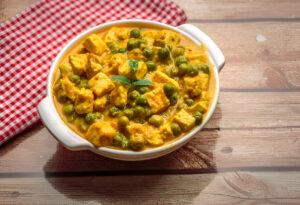
You can cube firm tofu and use it in curries, stir‑fries, vegetable gravies or dry sabzis instead of dairy-paneer. Additionally, you may add crumbled tofu to paratha stuffing, mixed vegetable bhurji or pulao for a higher‑protein family meal.
Vegan consumers can use tofu in place of paneer, scrambled eggs or minced meat in wraps, frankies, and salads.
Indian gym‑goers can include tofu alongside lentils, chickpeas and milk alternatives to meet higher protein targets. Because firm tofu is easy to portion and store, it works well in pre‑planned meal boxes for office lunches or post‑workout dinners.
At GDM Exports, our tofu offer consistent texture and clean flavor with mild soy tint, therefore they integrate smoothly into cooking in hotels, institutions and quick‑service restaurants.
Why choose GDM Exports for bulk Tofu in India?
From the standpoint of a professional tofu manufacturer, safe raw materials and strict process control matter as much as tofu nutrition for our clients.
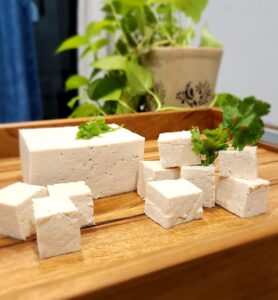
GDM Exports sources only non‑GMO soybeans, uses food‑grade processing aids and follows FSSAI‑aligned and international food-quality systems for every batch.
Additionally, our tofu manufacturing process emphasizes hygiene protocol and standardized process. At no point we deviate from our tofu production SOP.
This approach helps us ensure quality, stable texture, clean taste and reliable protein for domestic and export clients.
We position ourselves as one of the best bulk tofu suppliers in India by offering consistent supply, customizable firmness levels and packaging formats for hotels and institutional requirements.
This article is hereby issued on behalf of GDM Technics (Food Processing Unit) for the interests of our respected clients as well as fellow tofu producers, suppliers in the market, and general public. Let’s together build a healthy tofu eco-system in India to counter food adulteration.
Email your query: harsha@gdmexports.com
GDM Exports (GDM Technics – Food Processing Unit)
Harsha D Mishra
Tofu Nutrition - FAQs and General Facts
1. Is tofu healthy for everyday eating?
Yes, an active and healthy individual can consume up to 100-110 grams of tofu on daily basis. In case of any ongoing critical medication it is advised to consult your physician before consuming tofu.
2. How should Tofu be stored safely in India?
Tofu must remain refrigerated between about 2-5 °C and kept in vacuum-sealed condition. Avoid consuming tofu whose vacuum pack looks puffed, swollen, appears hampered with, smells too pungent upon opening the pack or if the Colour is turned brown, and visible fungus.
In case of such spoilage, consumers should ask for free-replacements.
Note: Water in tofu vacuum packs is natural. It keeps tofu fresh in refrigerated condition.
DO NOT FREEZE THE TOFU.
3. Is tofu good for weight loss?
Yes absolutely, Tofu can aid weight management because it combines high protein, very low fat and relatively low calories per serving. When used to replace higher‑calorie dairy-paneer or fried snacks, it can help reduce total energy intake.
4. Does tofu increase estrogen in the body?
Tofu contains phytoestrogens, which are weaker than human estrogen and act differently in different tissues.
Research generally supports the safety of moderate soy food intake for most people (subject to FAQ-1), including many with hormone‑related concerns; however, medical advice is essential in case of on-going medication.
5. What are the main Tofu side effects?
The main side effects relate to soy allergy, digestive intolerance in some individuals with low metabolism. Possible issues occurs when tofu is stored without proper refrigeration (subject to FAQ-2) and microbes gets activated inside vacuum pack even before it is physically visible.
Additionally, individuals on specific medications or with hormone‑sensitive conditions should consult doctors about appropriate tofu intake.
How to improve digestibility of Tofu? By using following ingredients in any tofu recipe:
- Ginger
- Black Pepper
- Asafoetida (Hing)




1 Comment